Physical Address
304 North Cardinal St.
Dorchester Center, MA 02124
Physical Address
304 North Cardinal St.
Dorchester Center, MA 02124


A plain-English guide to Solana kid slang and risk.
A Solana kid in crypto is an informal label for a young-looking Solana meme-coin creator or trader tied to viral Pump.fun launches.
The phrase usually points to the Gen Z Quant story, where a young creator became part of Solana meme-coin lore after launching and selling a token quickly. It can also describe fast, unserious-looking token hype, and it often gets mixed up with a token called SOLANAKID.
A Solana kid in crypto means a young or novice-looking person linked to Solana meme-coin creation, trading, or promotion. The phrase is informal, and it often carries a warning about speed, attention, and weak trust signals.
The label is not always literal. Sometimes it refers to an actual young creator. Sometimes it refers to the image of a very online meme-coin trader who launches first and explains later. In other cases, it is just shorthand for a token trend that feels unserious, chaotic, or built around a clip instead of a durable project.
Read the phrase as a context clue, not proof of anything about the token. It may point to:
That makes the Solana kid meaning different from a normal project label. It does not tell you the token supply, contract permissions, creator identity, or liquidity depth. It only tells you that the market is probably reacting to social attention.
If the phrase appears next to a chart, livestream, or urgent buy call, the main risk is probably timing and liquidity, not the meme itself.
Solana Kid and SOLANAKID are easy to confuse because one is a slang or event phrase and the other can appear as a token result. A similar name does not make a token official, culturally important, or safer to trade.
OKX lists a SOLANAKID price page, which is enough to create confusion. That page is for price data, while the slang and event background are separate. A chart should not be treated as the meaning of the phrase.
Here is the clean split:
| Phrase Or Result | What It Usually Means |
|---|---|
| Solana Kid In Crypto | Informal slang for a young-looking Solana meme-coin creator, trader, or viral token story |
| Gen Z Quant Kid | The young creator tied to the November 2024 QUANT meme-coin incident |
| SOLANAKID Token | A token-name result that may have its own price chart and trading activity |
| Success Kid Or SKID | A separate meme or ticker theme that can appear in Solana meme-token searches |
| Generic Solana Meme Coin | Any joke, trend, or attention-based token launched or traded on Solana |
The table does not rank any token. It separates meanings so a user does not mistake a chart result for an explanation.
If you want SOLANAKID price data, use a live market page and check liquidity, holders, contract address, and exchange availability directly. If you want the Solana kid meaning, focus on the slang, the Gen Z Quant event, and the way Pump.fun made quick token launches visible to a large audience.
Solana Kid became a Pump.fun story because the Gen Z Quant incident compressed a whole meme-coin cycle into one viral moment: launch, hype, creator sale, outrage, revenge trading, and community mythmaking.
The November 2024 event involved a young creator launching QUANT through Pump.fun and selling early. The Block reported that the sale happened quickly after launch, while Decrypt reported the story as a child making about $30,000 before the token became a larger revenge-pump spectacle.
A simple timeline helps explain why the phrase stuck:
The story spread because it was easy to understand and easy to argue about. Some users saw a young creator dumping on buyers. Others saw meme-coin traders getting beaten at their own game. Others focused on the ethics of doxxing, harassment, and turning a child into a market character.
The profit number is less useful than the structure of the event. A viral launch can make buyers feel late within minutes, and that urgency can hide who already owns supply, who can sell first, and whether the story has any value beyond attention.
Pump.fun made Solana kid stories possible by lowering the friction for Solana meme-coin creation and making launches feel like live entertainment. A token can become a social event before users understand its supply, creator wallet, liquidity path, or exit risk.
On Solana, a user usually needs SOL for network fees and a wallet to interact with token apps. Pump.fun added a launch environment where new meme coins could appear quickly, gather early attention, and move through a bonding-curve-style market before wider trading develops. The core risk is simple: the token can become tradable before trust has formed.
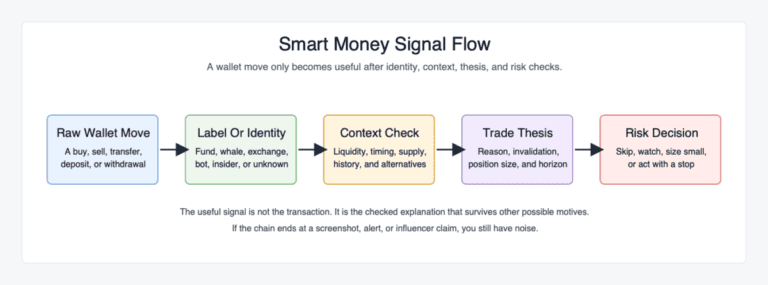
The usual flow looks like this:
The diagram shows that the market is not only about code. It is also about attention, timing, wallets, liquidity, and the moment when public buyers realize someone else already had a better exit.

*A Solana kid trend becomes risky when public attention arrives after early wallets already had a cleaner exit.*
Pump.fun also became part of a wider moderation debate. Cointelegraph reported in November 2024 that the platform faced criticism over harmful livestream content, showing how quickly meme-coin promotion can move from jokes into real-world pressure.
Solana Kid hype feels risky because viral attention can arrive before buyers know who controls supply, how deep liquidity is, or whether early wallets are already selling. The market can look like a joke while still moving real money.
Not every Solana meme coin is a scam. Some are community jokes, short-term trades, or experiments that users enter with clear risk. The problem is that many Solana kid-style trends reward the earliest wallets and punish users who buy only after the clip, chart, or influencer post is everywhere.
Check for risk signals before assuming the trend is harmless:
The strongest warning is not one signal alone. It is several weak signals together: fast hype, thin liquidity, unclear wallets, and a social feed pushing urgency instead of information.
The pattern is broader than one viral story. In its market-manipulation analysis, Chainalysis reported 74,037 suspected pump-and-dump tokens launched in 2024. That is why a fast meme launch deserves wallet and liquidity checks before the joke matters.
If a token has already moved hard, the late buyer is often not buying the same opportunity as the early buyer. They may be buying someone else’s exit.
The Solana kid story became shorthand for a meme-coin market where attention, speed, and spectacle can outweigh fundamentals. It shows how a token can become famous because the event around it is shocking, not because the asset is durable.
Know Your Meme describes the Gen Z Quant rug pull as a viral controversy around a young creator, QUANT, Pump.fun, and the reaction that followed. That cultural layer is important because meme coins do not move on technical claims alone. They move through clips, jokes, outrage, revenge narratives, and status games.
Several forces made the story spread:
Doxxing a young person or their family is not a market correction. It is a separate harm, even when buyers feel angry about a token dump.
The useful lesson is narrower: when a market rewards spectacle, users should expect stronger emotional pressure. A funny clip can make a risky token feel safer because everyone is watching it at the same time.
Read a Solana Kid token trend safely by slowing the trade down and asking who benefits if you buy after the trend is already public. The goal is not to predict every meme coin. The goal is to avoid reacting before you understand the exits.
Start with wallets and liquidity. If the creator wallet sold first, if holder concentration is extreme, or if a normal sale would cause heavy slippage, the meme is not the main issue. The market structure is.
Use questions that expose the pressure point:
Those checks do not make a token safe. They help separate entertainment from risk. If the only reason to buy is that the story is moving fast, the trade depends on someone else arriving even later.
Be careful after a loss too. Recovery-scam accounts often target users who post about bad meme-coin trades. A stranger promising to recover funds, reverse a swap, or fix a wallet through a private link is adding a second risk after the first one.
Solana Kid overlaps with other crypto slang, but it is not the same as degen, trencher, anon dev, or rug puller. Each term points to a different role or behavior inside fast token markets.
The table below keeps the meanings separate:
| Term | Plain Meaning |
|---|---|
| Solana Kid | Young-looking creator, trader, or meme-coin character tied to Solana hype |
| Degen | High-risk trader who accepts extreme volatility and weak information |
| Trencher | User who spends time in very early, messy meme-coin markets |
| Anon Dev | Project creator who does not publicly reveal identity |
| Rug Puller | Person or team accused of exiting in a way that harms buyers |
| Jeet | Slang for a holder who sells quickly, often used as an insult |
| Exit Liquidity | Later buyers who absorb earlier sellers’ exits |
| Community Takeover | Holders attempt to continue a token after the original creator exits |
These words can overlap in one story. A Solana kid may launch a token, degens may buy it, trenchers may trade it early, and late buyers may become exit liquidity. That overlap is why the phrase carries both humor and risk.
If this slang is your first contact with Solana meme coins, CryptoProcent’s broader crypto guides can help connect terms like wallets, exchanges, slippage, and liquidity to the mechanics behind token trading.
Sometimes Solana Kid in crypto points to token price data. Someone checking “Solana kid price” may want a chart, contract address, liquidity data, or market venue for SOLANAKID, not a slang explainer.
A price page can show what a token is trading at right now. It cannot prove that the token is connected to the Gen Z Quant story, that the meme is durable, or that liquidity is safe for a normal exit.
Before connecting a wallet or trusting a price chart, separate these checks:
Names are cheap in meme-coin markets. A token can copy a phrase, riff on a viral event, or use a familiar image without being official. The name may explain attention, but it does not explain risk.
If you are looking at SOLANAKID specifically, verify the contract address, chain, liquidity, holders, and trading venue before assuming any connection to the cultural phrase. If those details are unclear, the name should make you slower, not faster.
Solana kid in crypto means an informal label for a young-looking Solana meme-coin creator, trader, or viral token character, usually tied to Pump.fun culture.
No. Solana Kid can be slang or an event label, while SOLANAKID is a token-name result that needs its own contract, liquidity, and market checks.
The Gen Z Quant kid was the young creator linked to the November 2024 QUANT meme-coin incident on Pump.fun, where an early sale turned into a viral crypto story.
The story became famous because it combined a young creator, a fast Solana meme-coin launch, an early sale, public outrage, and a later community-driven spectacle.
No single label fits all Solana meme coins, but many are high-risk because they rely on speed, attention, thin liquidity, and uneven information.
It depends on the facts, jurisdiction, and conduct involved. A bad trade, creator sale, false statement, liquidity drain, or coordinated deception can raise very different legal questions.